
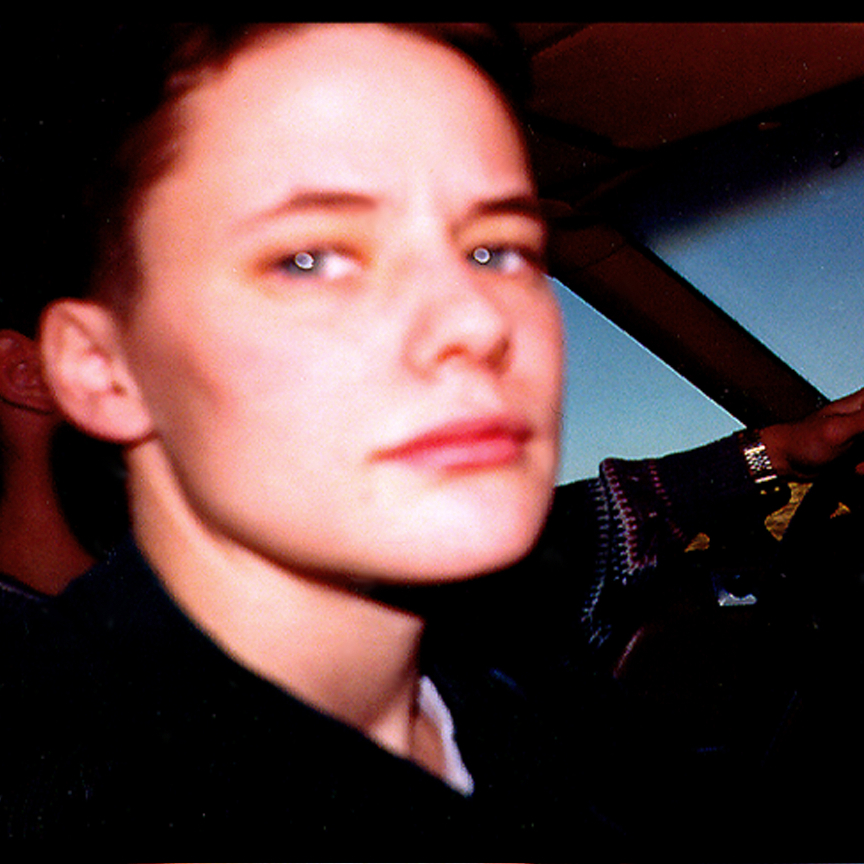
American murder victim Brandon Teena was BOTD in 1972. Born in Nebraska, he was assigned female at birth and named Teena Brandon, and grew up with his mother in a trailer park. Teena began identifying as male in his teens, despite his mother’s objections. In 1992, he underwent a psychiatric evaluation which concluded that he had a severe “sexual identity crisis”. In 1993, he moved to Falls City and began dating Lana Tisdel, an 18 year-old cis woman, and began associating with ex-convicts John Litter and Tom Nissen. Later that year, Teena was arrested for forging cheques, at which point he explained to Tisdale that he was intersex and pursuing a sex change operation. After the arrest was publicised, Litter and Nissen attacked Teena at a Christmas party, forcing him to reveal his genitals. They then abducted Teena and drove him to a meat-packing plant where they assaulted and gang-raped him, threatening to kill him if the assault was reported. Teena received emergency hospital treatment and was interviewed by police, who reportedly refused to arrest Litter and Nissen out of contempt for Teena’s ambiguous gender identity. Three days later, Litter and Nissen shot and killed Teena. He was 21. They were tried and found guilty of Teena’s murder. Teena’s story became national news after an investigative report by The Village Voice journalist Donna Minkowitz (who incorrectly identified Teena as a lesbian). The article inspired Kimberly Peirce’s 1999 indie film Boys Don’t Cry, starring Hilary Swank as Teena, who won an Oscar for her performance. Teena’s story is widely credited with raising awareness of trans identity and violence towards LGBTQ people.
Brandon Teena

 Super Gays Born on this Day