
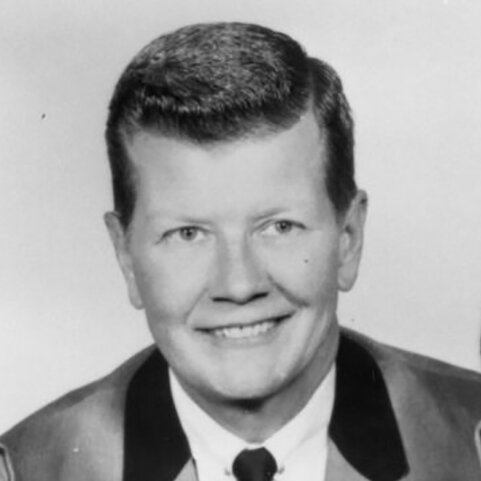
American jazz musician Billy Tipton was BOTD in 1914. Born Dorothy Tipton in Oklahoma City, Oklahoma, was assigned female at birth. He grew up in Kansas City, showing an early talent for music and studying organ, piano and saxophone. Concluding that a woman could never be successful in the jazz world, he adopted a male identity in circa 1933, binding his breasts with bandages, wearing men’s clothes (and, reportedly, a prosthetic penis) and renaming himself Billy Lee Tipton. He joined the Banner Cavaliers as a singer and pianist, performing with the Jack Teagarden, Russ Carlyle, and Scott Cameron bands. In 1951, he formed the Billy Tipton Trio, performing jazz and blues standards and releasing the albums Sweet Georgia Brown and Billy Tipton Plays Hi-Fi on Piano. In 1958, he turned down a solo recording contract and an opportunity to open for Liberace in Las Vegas, possibly over concerns that wider visibility could expose his gender identity. He moved to Spokane, Washington, where he worked as a talent agent, contining to perform with his Trio. Tipton was in five long-term relationships with women, never formally marrying but referring to each other as husband and wife, raising and adopting three sons with nightclub dancer Kitty Kelly. (After his death, each of his partner maintained that they were unaware of Tipton’s biological gender). Tipton avoided doctors throughout his life, leading to health problems as he grew older, including arthritis and emphysema, requiring him to retire from music in the late 1970s. He died in 1989 following complications from a perforated ulcer, aged 74. His biological gender was confirmed after his death, to the mystification of his family, colleagues and friends, and generating widespread reportage by tabloids and national newspapers including The New York Times. Two of his sons subsequently changed their surnames after Tipton’s outing, citing their disappointment at Tipton’s deception. His life has been depicted frequently in fiction, Eduardo Machado’s play Stevie Wants to Play the Blues, Jackie Kay‘s 1998 novel Trumpet, and the 2020 documentary No Ordinary Man.
Billy Tipton

 Super Gays Born on this Day