
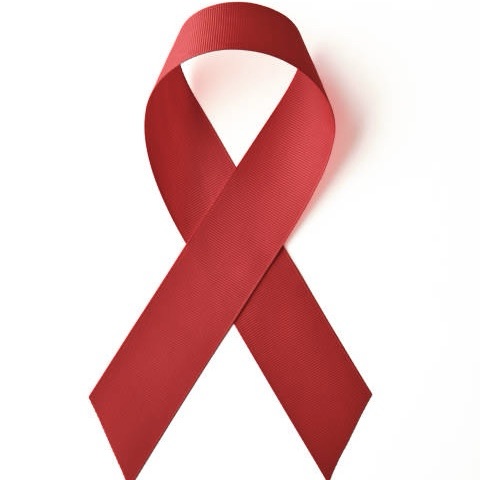
World AIDS Day was BOTD in 1988, turning 37 today. It was first conceived in August 1987 in Geneva, Switzerland by World Health Organisation information officers James W. Bunn and Thomas Netter, to raise international awareness of the HIV/AIDS pandemic, commemorate those who died of AIDS-related illnesses and combat stigma against those living with AIDS. Bunn, a former television broadcast journalist, recommended 1st December as the best date to attract Western news media interest, falling after the US Presidential elections and before the Christmas holidays. First observed in December 1988, World AIDS Day became more widely known following the creation of the Red Ribbon Project by the Visually AIDS Artists Caucus in 1991, which are sold and worn on World AIDS Day to raise funds for HIV/AIDS research and charities. In 2006, the Joint United Nations Programme on HIV/AIDS took over the planning and promotion of World AIDS Day. The following year, US President George W. Bush approved the display of a giant AIDS Ribbon at the White House to commemorate World AIDS Day, a tradition continued until 2025, when President Donald Trump announced the cancellation of all US government commemorations. As of 2024, 44.1 million people worldwide have died from AIDS-related illnesses and a further 40.8 million people are estimated to be living with HIV/AIDS. As demonstrated by many of the biographies written for this blog, AIDS wiped out a generation of writers, artists, activists and leaders in the LGBTQ community, and cast a shadow over the experiences of subsequent generations of queer people. The COVID-19 pandemic demonstrated how quickly and effectively viruses can be contained when the world works together – an assistance and respect denied to millions of people suffering from HIV/AIDS for almost 20 years, until the development of anti-retroviral medication in the mid 1990s.
World AIDS Day

 Super Gays Born on this Day