
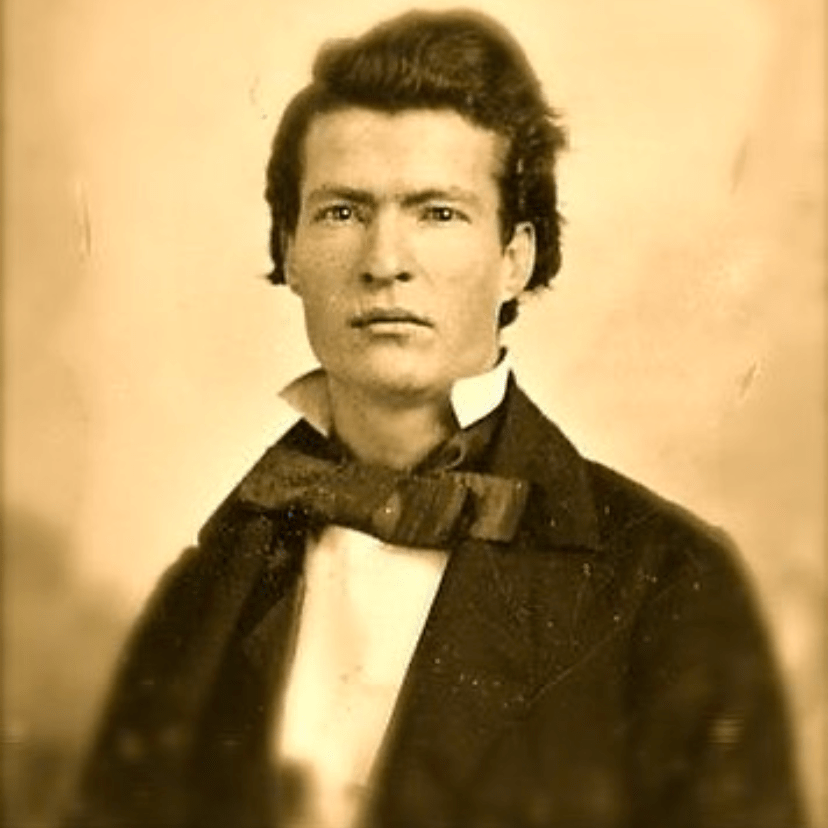
American writer Samuel Langhorne Clemens, better known by his pseudonym Mark Twain, was BOTD in 1835. Born in Florida, Missouri, he was raised in a port town on the Mississippi River, which inspired much of his later writing. After working as a riverboat pilot and an unsuccessful stint as a miner, he turned to journalism. His 1865 story The Celebrated Jumping Frog of Calaveras County brought him international attention. A long-term bachelor, he married Olivia Langdon in 1870, with whom he had four children. They moved to Connecticut, where he wrote a series of bestselling novels The Prince and the Pauper, The Adventures of Tom Sawyer, Adventures of Huckleberry Finn and A Connecticut Yankee in King Arthur’s Court, 1889. Written in the colloquial dialect of the American South, they have since become classics of American literature. Despite the success of his writing and public lectures, Twain lost most of his fortune through bad investments and eventually declared bankruptcy. He lived his final years in New York City, suffering from depression and struggling to complete an autobiography. He died in 1910, aged 74. Hailed as the father of American literature, his work has undergone significant critical assessment, particularly his treatment of race, slavery and use of the word “nigger”. In 1948, academic Leslie Fiedler shocked Twain scholars with his article Come Back to the Raft Again, Huck Honey!, identifying an “innocent” homoerotic attraction between the teenaged Huck and the adult freed slave Jim. Biographers including Andrew Hoffman have also Twain himself may have been attracted to men, pointing to his three undocumented years among the all-male goldfields in San Francisco, his close friendships with notorious homosexuals Dan De Quill, Artemus Ward and Charles Warren Stoddard (whom Twain called “such a nice girl”) and persistent portrayal of men and boys in flight from the “adult” world of women as evidence of a homoerotic tendency.
Mark Twain

 Super Gays Born on this Day