
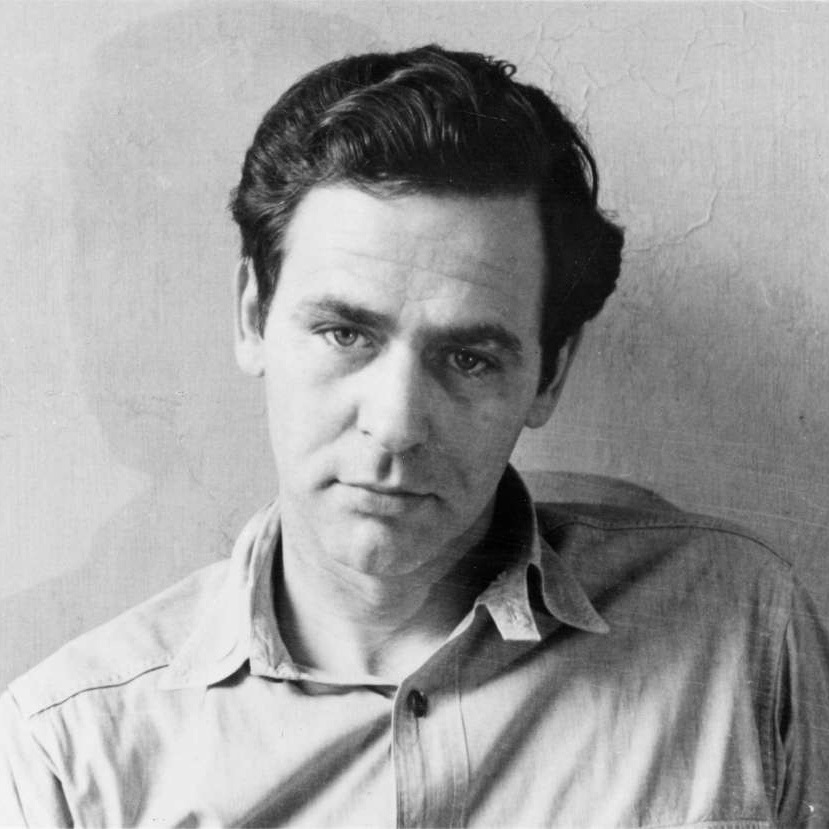
American writer, journalist and critic James Agee was BOTD in 1909. Born in Knoxville, Tennessee, his father was killed in a car accident when he was a child and he was educated at a series of boarding schools. He studied at Harvard University, then moved to New York City where he wrote for Fortune and Time magazines, publishing a volume of poetry, Permit Me Voyage, in 1934. He became a central figure in New York’s avant-garde cultural scene, befriending celebrity homosexuals including art critic Lincoln Kirstein, photographer Walker Evans, writers Hart Crane and John Cheever and composer Samuel Barber. In 1936, during the height of the Great Depression, he and Evans spent six weeks interviewing and photographing Alabama sharecroppers. Their collected material formed the basis of the 1941 book Let Us Now Praise Famous Men, featuring Walker’s photos alongside Agee’s lyrical reflections on the plight of the poor. He became well-known as a film and theatre critic, supporting the career of filmmakers John Huston and Laurence Olivier and helping resurrect popular interest in the films of Jean Vigo, D. W. Griffith, Charlie Chaplin and Buster Keaton. From the late 1940s, he worked as a Hollywood screenwriter, including Huston’s The African Queen and Charles Laughton‘s The Night of the Hunter. He died in 1955, aged 45. His unfinished autobiographical novel A Death in the Family was published posthumously in 1957, winning the Pulitzer Prize for fiction, and was successfully adapted into the play and film All the Way Home. His reviews and film criticism were also published posthumously, becoming highly influential on the emerging field of film studies. Married three times and with four children, he had affairs with men and women throughout his life, and is thought to have lived in a mènage-a-trois with Evans and his mistress Jane Ninas.
James Agee

 Super Gays Born on this Day