
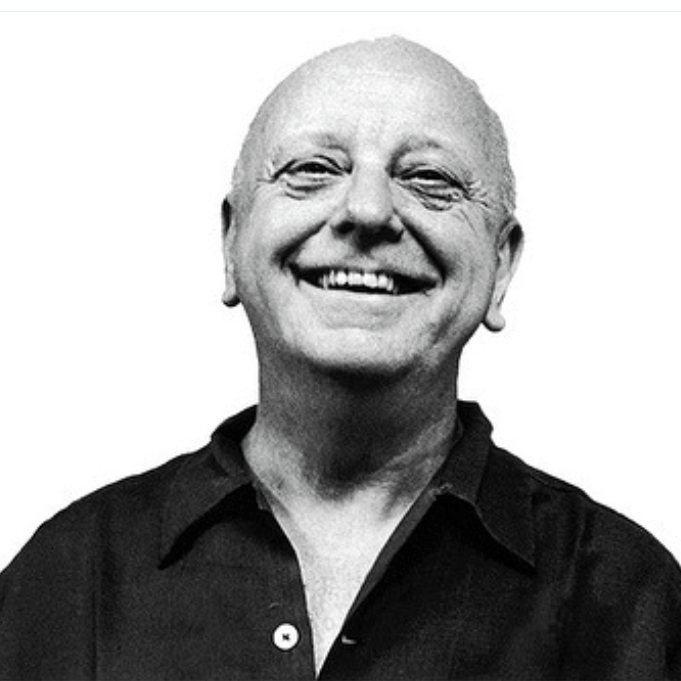
American composer, conductor and music critic Virgil Thomson was BOTD in 1896. Born in Kansas City, Missouri, he studied music at Harvard University before moving to Paris to study composition with Nadia Boulanger. He became a fixture of Paris’ bohemian artistic scene, befriending composers Erik Satie and Francis Poulenc and collaborating with fellow expatriate Gertrude Stein on avant-garde compositions including the experimental opera Four Saints in Three Acts. In 1925, he formed a relationship with the painter Maurice Grosser, who became his life partner and frequent collaborator. At the outbreak of World War Two, Thomson and Grosser returned to the United States, living at the Chelsea Hotel in New York with fruity fellow residents Leonard Bernstein, Tennessee Williams, Ned Rorem, John Cage, Frank O’Hara and Paul Bowles and working as a music critic for the New York Herald Tribune. His compositions for the 1948 docufiction film Louisiana Story won the Pulitzer Prize for Music, bringing him to wider public attention. A prolific composer, his works orchestral, choral and piano works, operas, ballets for choreographers George Balanchine and Agnes de Mille and film scores for documentaries. While critically respected, he failed to achieve the same popular success as fellow composers Aaron Copland and Benjamin Britten, with whom he nurtured long-standing and bitchy rivalries. An old-school misogynist, he surrounded himself with male acolytes and was infamously dismissive of female composers. Feted in later life for his influence on the “American Sound” in classical music, he received the Kennedy Centre Honor and the National Medal of Arts. He died in 1989 at the Chelsea Hotel, his home of nearly 50 years, aged 92.
Virgil Thomson

 Super Gays Born on this Day