
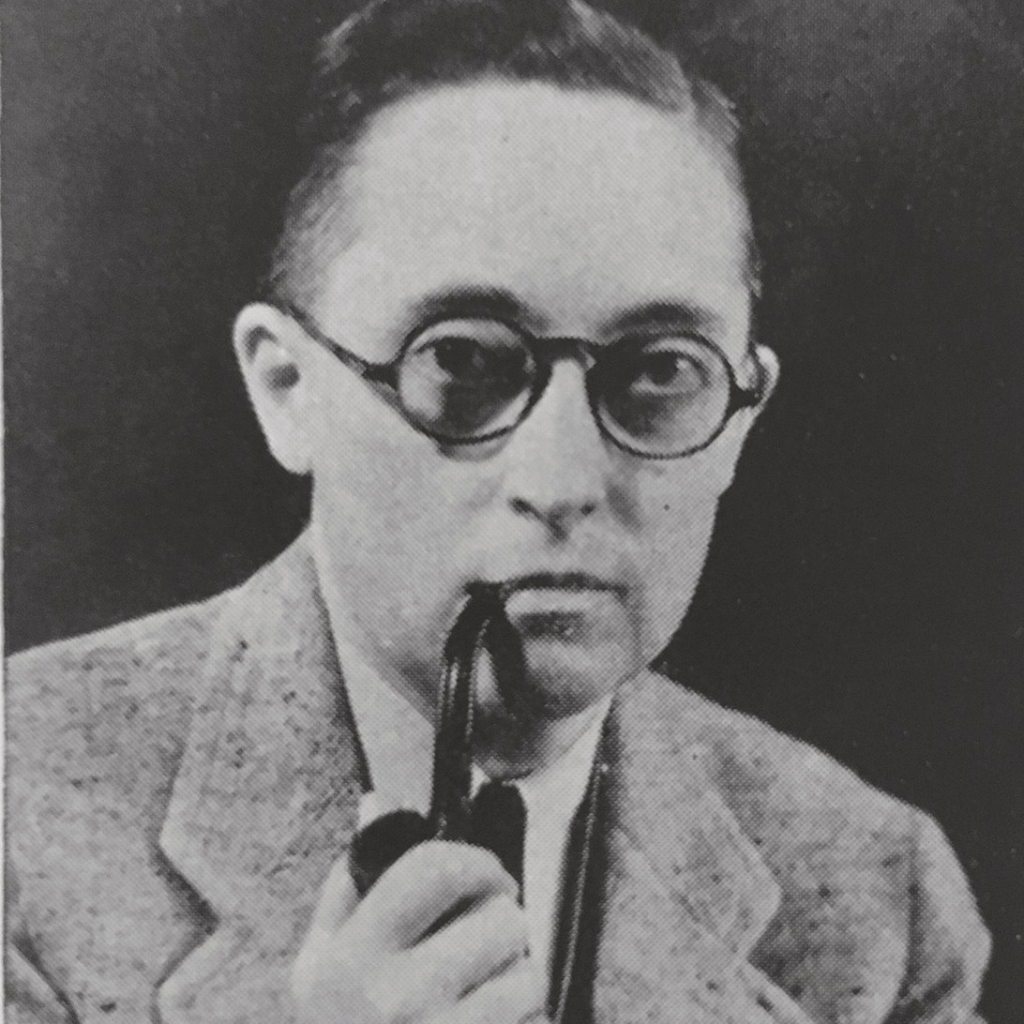
American physician, writer and activist Alan L. Hart was BOTD in 1890. Born in Halls Summit, Kansas, he was assigned female at birth. After his father’s death in 1892, his mother moved the family to Linn County, Oregon and remarried. As a child, Hart was free to present as male, and largely supported by his parents and grandparents. Sent to school aged 12, Hart was required to dress and present as female, though persuaded teachers and classmates to call him “Robert”. He studied at the University of Oregon and Stanford University, graduating with a medical degree, though found it difficult to obtain work due to his assigned female gender. While a student, he approached doctors at Stanford, persuading them to give him a hysterectomy. The operation was completed successfully in 1918: he later changed his legal name to Alan Hart, and married his first wife, Inez Stark, setting up his own medical practice in Oregon. Outed as transgender by a former medical school classmate, they relocated to Montana, until the stockmarket crash of 1920 required them to move again to Albuquerque. The frequent moves and financial insecurity placed strain on their marriage, resulting in Stark leaving him in 1923. After their divorce in 1925, Hart remarried Edna Ruddick, remaining together for the rest of his life. The couple relocated to New York, where Hart studied at the Trudeau School of Tuberculosis, obtaining a degree in radiology at the University of Pennsylvania. He became an epidemiologist, specialising in the study and treatment of tuberculosis, at the time the biggest cause of death in the United States. He became an early advocate of the use of X-rays to detect the illness before it became critical. In 1937, he became the first Tuberculosis Control Officer in the State of Idaho, leading mass screening clinics of civilians, undertaking extensive public education programmes and reporting his findings in medical journals and newspapers. His success led to a similar appointment in Connecticut in 1948, where he remained for the rest of his life. His efforts were credited with helping contain the spread of tuberculosis in the United States, and helping dispel social stigma about the disease. Hart also published four novels, exploring themes og homophobia and gender dysphoria. He and Ruddick remained together until Hart’s death in 1962, aged 71. After Hart’s death, Ruddick destroyed all his personal letters and photographs. His identity as a trans man remained a secret until the 1976 publication of Jonathan Ned Katz’s book Gay American History: Lesbians and Gay Men in the USA, who identified Hart as “a lesbian, a woman-loving woman”. Ruddick refused to be interviewed by Katz, criticising his categorisation of Hart (and herself) as lesbians. In 1981, the Oregon gay and lesbian rights group Right to Privacy began hosting the Lucille Hart Dinner as a fundraising event, identifying Hart as female. In a 1995 article, trans historian Susan Stryker argued that Hart was “the butch half of a butch/femme relationship”, citing her own reservations about using the word “transsexual” to describe Hart’s identity. Hart was first identified as a transgender man in 1985 by writer and activist Lou Sullivan. In 1995, a group of trans activists led by Candice Hellen Brown protested the Lucille Hart dinner, unfurling banners reading “HIS NAME WAS ALAN!” The following year, Right to Privacy’s board of directors announced a name change to “The Hart Dinner”, though used male and female pronouns to describe Hart. In 2004, writer Jillian Todd Weiss wrote that the “lesbian reclamation” of Hart was “a gay rewriting of history”, showing “a blatant lack of regard for transgendered identities.” Critical and academic consensus now identifies Hart as a trans male.
Alan L. Hart

 Super Gays Born on this Day