
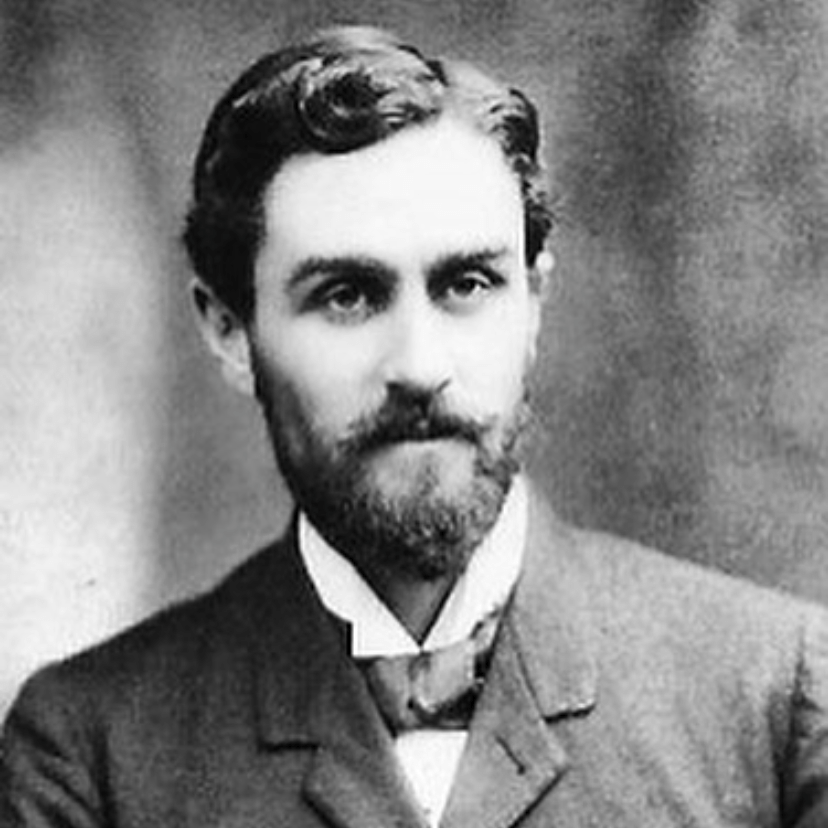
Irish diplomat, humanitarian and spy Roger Casement was BOTD in 1864. Born in Dublin to a military family, he grew up in genteel poverty and was orphaned by his early teens. He started work as a shipping clerk at 16 before joining the African International Association, assigned to the Belgian Congo. In 1891 he joined the British Colonial Office, leading an investigation into human rights atrocities in rubber plantations in the Congo. His 1904 report exposed the enslavement, torture and murder of Congolese workers under French and Belgian rule, provoking an international outcry. In 1906, he investigated similar abuses in Brazil and Peru, and was knighted in 1911 for his humanitarian work. Disgusted with colonialism, Casement resigned from diplomatic work in 1913 and joined the Irish nationalist movement. As World War One broke out, he negotiated with Germany to sell weapons to the Irish Republicans. Captured by British forces in 1916, he was returned to England and charged with treason. During his trial, the British government circulated copies of the “Black Diaries”, containing graphic descriptions of Casement’s homosexual encounters with young men, including detailed measurements of his lovers’ penis size. Casement’s defence counsel suggested using the diaries as evidence of his insanity, in the hope of avoiding the death penalty. Casement refused, and was found guilty and sentenced to death. The publication of the diaries aroused public opinion against him, damaging his campaign for clemency. He was executed by hanging in August 1916, aged 51. Asked by the prison governor if he had any final words, he replied “Ireland”. In 1965, his body was repatriated to Ireland where he was buried with full military honours. A national hero in Ireland, he has latterly been claimed as a martyr by the LGBTQ community, and is recognised as a key figure in the anti-colonialist movement. His life and legacy has inspired innumerable books, novels, ballads and films. The first known screen portrayal of Casement was the 1922 film Giant’s Causeway starring Pierre Benoit, made just six years after Casement’s death. The 1960 TV film The Trial of Sir Roger Casement, starring Peter Wyngarde, became one of the first gay-themed films shown on British television. Historians continue to debate the authenticity of the Black Diaries, with many Irish nationalists still preferring to present Casement as a sexless martyr, rather than a handsome horny bear who loved cock.
Roger Casement

 Super Gays Born on this Day