
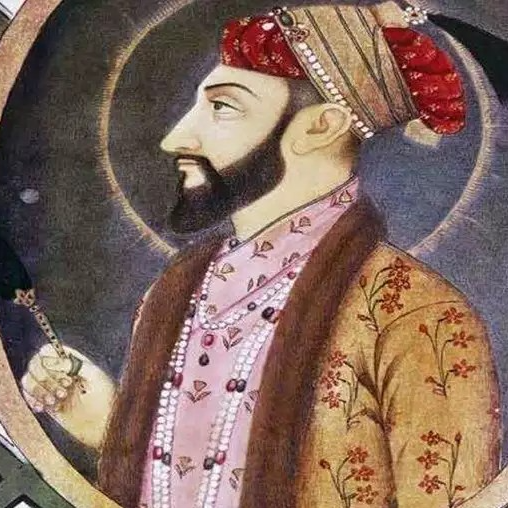
Indian monarch Quțb al-Dīn Mubārak Shah was born in c. 1299 and died on this day in 1320. The son of Alauddin Khalji, ruler of the Delhi Sultanate in present-day India. After his father’s death in 1316, Mubārak was imprisoned by slave-general Malik Kafur, who installed Mubārak’s 6 year-old brother Shihab-ud-Dīn Omar as a puppet monarch and proclaimed himself regent. After Kafur’s murder by court bodyguards, Mubārak was appointed regent. He later had his brother imprisoned and blinded, and assumed the throne in 1316, aged 17 or 18. To secure his reign, he also had his elder brother Khizr Khan murdered, moving Khizr’s widow Deval into his own harem. He sensibly retained officers and governors from his father’s reign to ensure political stability, and ingratiated himself with his subjects by abolishing heavy taxes, freeing thousands of political prisoners, increasing army officers’ wages and reinstating the practice of hearing public petitions. Less sensibly, he removed his father’s price control measures, leading to increased inflation and growing economic instability. An impressive military leader, he successfully quashed a rebellion in Gujurat and led conquests of the cities of Devagiri and Warangai. Rampantly bisexual, he had an extensive harem, including his former sister-in-law Deval, though appears to have had no legitimate male heirs. He also had a number of male lovers, including the brothers and slave-courtiers Nasir ud-Din and Husam ud-dīn Khusrau, whom he sodomised vigorously and then elevated to important military roles. Murbarak was murdered in 1320 in a rebellion led by Nasir, aged 20 or 21. He was succeeded by Nasir, who married Deval and ruled as Khusrau Khan, spelling the end of the Khalhi dynasty’s rule.
Quțb al-Dīn Mubārak Shah

 Super Gays Born on this Day