
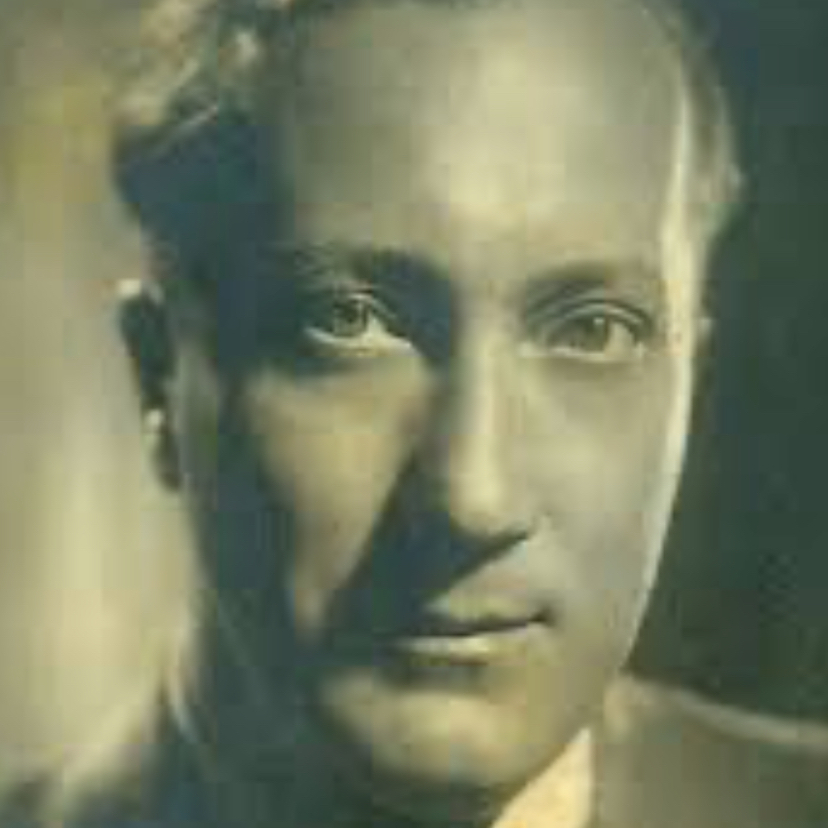
German publisher, writer and activist Friedrich Radszuweit was BOTD in 1876. Born in Königsberg in the Kingdom of Prussia, little is known about his early life. He moved to Berlin in 1901, marrying Johanna Schneider, opening a women’s clothing store and joined gay rights organisation Die Freundschafts-Liga (the Friendship League). As Berlin’s restrictions against homosexuality were gradually relaxed, Radszuweit identified a commercial opportunity to market to the city’s growing LGBTQ community. In 1923, he split the League, renaming his section the Die Bund für Menschenrecht (the League for Human Rights). He edited and published a series of popular magazines aimed at gay men, lesbians and trans women. In a departure from earlier publications promoting masculinist gay male identities, Radszuweit’s publications contained explicit and personalised discussions of sexuality and gender. He also produced what are thought to be the first gramophone recordings of LGBTQ-themed songs. He also wrote the gay-themed novels Männer zu verkaufen, Ledige Frauen, Die Symphonie des Eros and Paul Tritzkis Lebensweg. In 1927, he produced flyers advocating the repeal of anti-gay legislation Paragraph 175, which he distributed to politicians at the Reichstag. As Hitler rose to power in the late 1920s, Radszuweit adopted an accommodationist approach, writing articles in support of Hitler, arguing that the Nazi Party was not homophobic due to the presence of paramilitary leader Ernst Röhm and supporting the suppression of the names of prominent gay Nazis. In an effort to distance himself from radical gay politics, he published anti-Semitic attacks about sexologist Magnus Hirschfeld and “those Jews who wish to, in an ugly way…. drag people’s sex lives into the public.” Historians have theorised that Radszuweit and Röhm may have known each other, with Radszuweit hoping to use Röhm to advocate for tolerance of gay men within the Third Reich. Radszuweit was in a long-term relationship with former Hitler Youth recruit Martin Butzkow, whom he legally adopted to allow him to be his heir. He died of turberculosis 1932, aged 56. Butzkow died in 1933, within months of the Nazi Party winning a majority in the Reichstag.
Friedrich Radszuweit

 Super Gays Born on this Day