
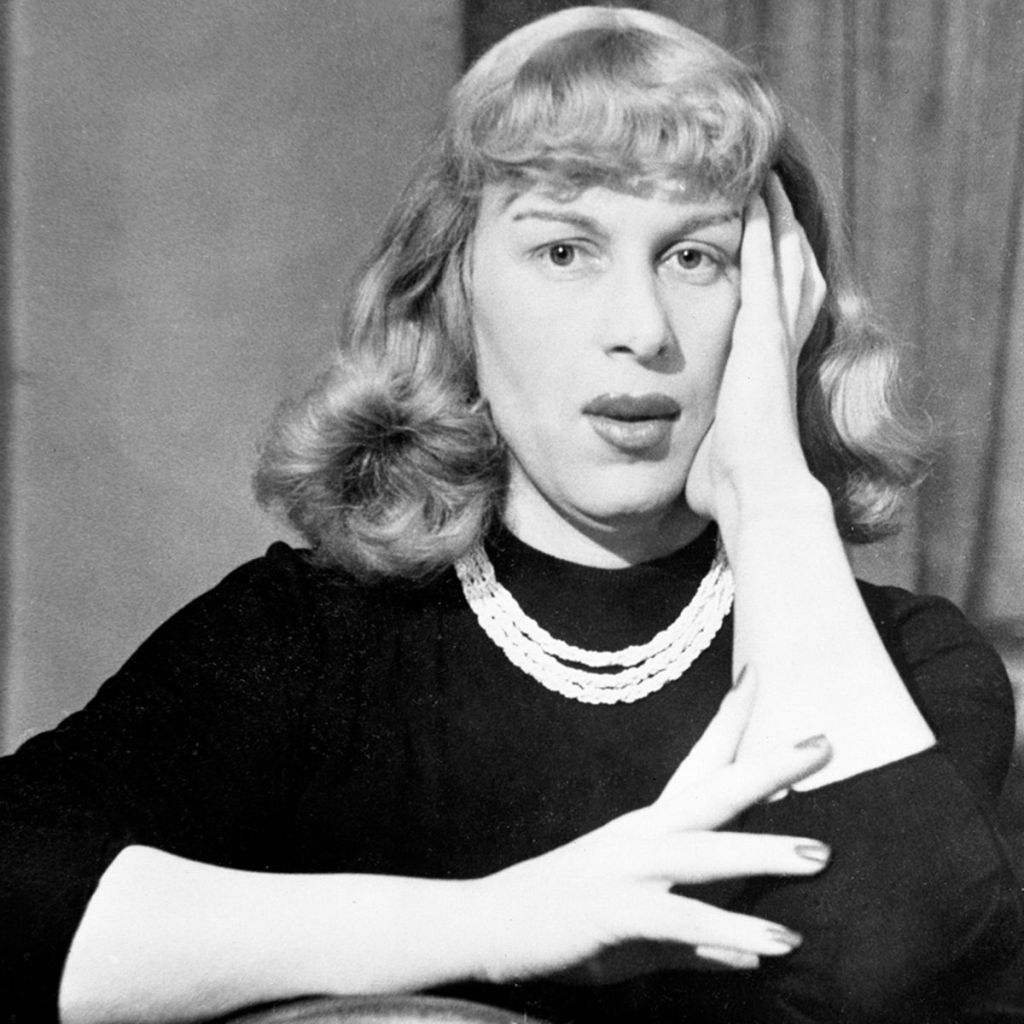
English racing driver, pilot and trans pioneer Roberta Cowell was BOTD in 1918. Born in London to a military family, she was assigned male at birth and named Robert. Privately educated, she left school at 16 to study aircraft engineering, leaving to join the Royal Air Force, but was discharged due to airsickness. Returning to London to study engineering at University College London, she began competitive motor-racing, participating in the 1939 Antwerp Grand Prix, and married fellow student Diana Carpenter. At the outbreak of World War Two, she joined the British Army, transferring to the Royal Air Force where she flew Spitfire fighter planes. In October 1944, her plane was shot down over Germany, forcing her to make a crash landing. She was captured and interned in a prisoner-of-war camp until being liberated by the Red Army in 1945. After the war, she returned to car-racing, but suffered severe depression and post-traumatic stress disorder. She and Carpenter had two children together, before separating in 1948. After receiving psychiatric treatment, Cowell accepted that she was female, and began taking estrogen. She formed a close friendship with the doctor and activist Michael Dillon, who performed surgery on her in 1950 to remove her testicles. Dillon became obsessed with Cowell and even proposed marriage, which Cowell refused. Cowell underwent a vaginoplasty in 1951, legally changed her name to Roberta. News of her surgery was published in 1954, making her internationally famous, though her marriage, children, wartime record and love of motor racing prompted many journalists to compare her unfavourably with Christine Jorgensen and question her female identity. Her difficulties in finding work led to significant financial problems, resulting in her declaring bankruptcy. She largely withdrew from public life, though remained active in British motor racing. She lived alone in London until her death in 2011, aged 93.
Roberta Cowell

 Super Gays Born on this Day