
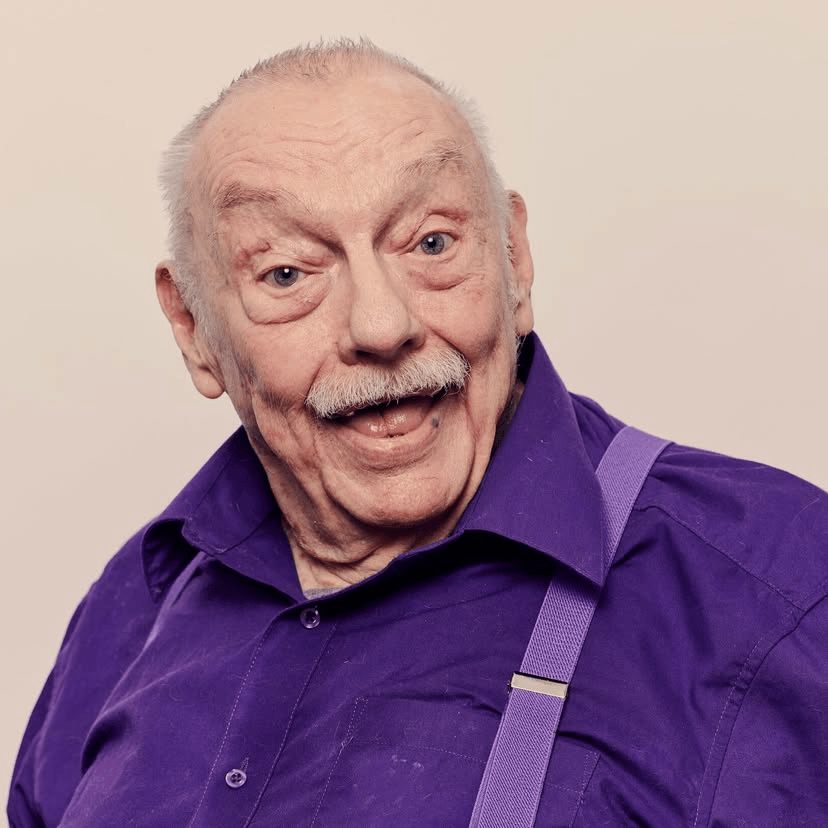
American photographer and filmmaker James Bidgood was BOTD in 1933. Born in Stoughton, Wisconsin, he grew up (like many little gay boys) obsessed with the Ziegfeld Follies and Hollywood musicals. He moved to New York in 1951, studying at the Parsons School for Design and immersing himself in the city’s underground gay scene. He worked variously as a window dresser, set designer and photographer, and performed in drag at gay nightclubs. By the early 1960s he was taking photographs for men’s physique magazines like Muscleboy. His photographs used surreal colours, highly artificial set ups and an aesthetic of camp and fantasy. He is best known for his 1963 film Pink Narcissus, a surrealist portrait of the erotic fantasies of a rent boy. Made independently over seven years and filmed in his apartment, it was released anonymously in 1971 without his consent. Released in just two cinemas in Manhattan, it was dismissed by the New York Times as “a passive, tackily decorated surreal fantasy out of that pre‐Gay‐Activist era when homosexuals hid in closets and read novels about sensitive young men who committed suicide because they could not go on.” For many years, the film was assumed to have been made by Andy Warhol’s Factory, and was only confirmed as Bidgood’s work in the 1990s. The film was re-released and screened at film festivals around the world, leading to critical reappraisal of Bidgood’s work and retrospectives of his photography. In the 2000s, Bidgood branched into digital photography and editing, and created a three-hour autobiographical audio play, FAG — the Pretty Good Life of Jimmy Bundle. Now hailed as a master of camp aesthetic, his work influenced generations of queer photographers including Pierre & Gilles and David LaChapelle, filmmakers Todd Haynes and Pedro Almodóvar and fashion designer Christian Louboutin. He died from a COVID-related illness in 2022, aged 88. A GoFundMe page was set to finance his funeral and create an archive of his work.
James Bidgood

 Super Gays Born on this Day