
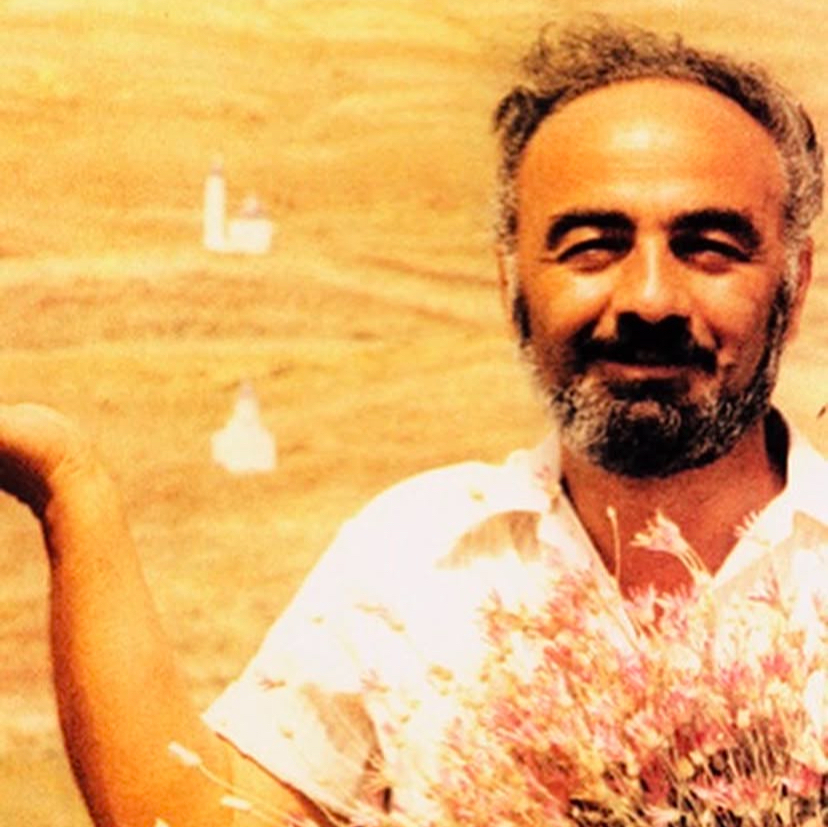
Soviet-Armenian filmmaker Sergei Parajanov was BOTD in 1924. Born in Tbilisi in Georgia (then part of the Soviet Union) to Armenian parents, he studied filmmaking in Moscow. In 1948, he was convicted of homosexual acts and imprisoned, possibly to suppress his radical political views. After the murder of his first wife, he moved to the Ukraine where he began making films. Inspired by his filmmaker friends Andrei Tarkovsky and Pier Paolo Pasolini, Parajanov abandoned the principles of social realism and adopted a poetic avant-garde aesthetic. His 1960s films Shadows of Forgotten Ancestors and The Color of Pomegranates were highly praised by international critics and shown at film festivals in Europe and North America, but raised the ire of Soviet censors. In 1973, he was sentenced to five years in a labour camp on false charges of rape and possession of pornography. His sentence raised an international outcry from filmmakers and writers. Released four years later, he was prevented from making films, and imprisoned again in 1982. As Communist rule thawed in the mid 1980s, he returned to filmmaking, releasing The Legend of Suram Fortress and Ashik Kerib, which became international successes. Weakened by years of imprisonment and poor health, he died in 1990 aged 60. Married twice, his bisexuality was well-documented, but has often been excluded from official records of his life. He is now considered one of the world’s greatest filmmakers.
Sergei Parajanov

 Super Gays Born on this Day